3D Workspace
Home
Assets
Affiliate Program
Sign up/Log in
?
Upgrade
DCC Bridge
Anonymous1774458908
03-25 17:19
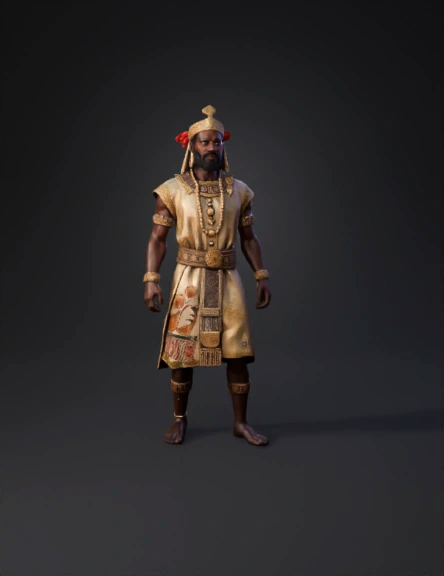
Model Name
ancient egyptian warrior 3d model
Tags
character
game asset
historical
Prompt
Gemini saidGemini said The sun didn't always set over the salt spray of the Gulf of Guinea for the Fante. If you listen to the elders under the shade of a silk cotton tree, the story begins thousands of miles to the northeast, where the Great River Nile carves a green vein through the golden sands of Kemet—Ancient Egypt. The Exodus from the Nile In the beginning, the ancestors of the Akan were not forest dwellers; they were people of the sun and the river. They were part of a civilization that built monuments to reach the heavens. But as the empires of the Nile began to crumble under foreign invasions and the Sahara started to breathe its dry, hungry breath across the land, a choice had to be made. The Akan did not want to lose their identity or their gods. So, they turned their backs on the pyramids and began a long, grueling trek across the "Sea of Sand." They carried with them the secrets of gold-working, the sacredness of the stool, and the belief that the spirit of a king never truly dies. The Halt at Bono Manso For centuries, they drifted through the Sahel, pausing in the grasslands of what we now call Mali. But the desert followed them. They moved further south until they hit the thick, emerald wall of the tropical rainforest. It was here, at Bono Manso, that the Akan family first truly planted their roots in Ghanaian soil. They built a kingdom of gold and wisdom. But the Akan were a restless and growing family. As the population swelled, groups began to splinter off like sparks from a fire, looking for their own land to call home. The Three Giants and the Great Split This is where the Fante—the "Fa-atsew" or "the part that broke away"—enter the story. Led by three legendary warrior-priests whose names still command respect today—Oshun, Obnumankoma, and Odapagyan—a large group decided to head even further south. They weren't just looking for land; they were looking for the Great Water (the Atlantic Ocean). The journey was treacherous. Legend says that when they grew tired or lost, these three leaders used supernatural powers to clear paths through the impenetrable jungle. They weren't just kings; they were the bridge between the ancestors and the living. The Sacred Ground of Mankessim Eventually, they reached a place they called Mankessim (The Great City). It became their spiritual heartbeat. However, tragedy struck during the migration. The three great leaders passed away before the Fante could fully establish their coastal empire. To keep their spirits alive, the people buried them in a sacred grove known as Nanonom-pow. It is said that even after they were buried, the three leaders continued to "speak" to the priests, guiding the Fante through the wars and trade negotiations that were to come. The People of the Coast From Mankessim, the Fante spread out like the fingers of a hand, touching the salt water for the first time. They transformed from desert travelers to forest warriors, and finally into the master mariners and traders of the coast. When the first Europeans arrived in their "floating castles," they didn't find a disorganized tribe; they found the descendants of an ancient civilization—people who carried the royal protocols of the Nile in their blood and the discipline of a long migration in their spirits. The Fante look at the ocean today, but their souls still hold the heat of the Egyptian sun. They are the "separated ones" who traveled the length of a continent to find a home where they could remain free. The sun didn't always set over the salt spray of the Gulf of Guinea for the Fante. If you listen to the elders under the shade of a silk cotton tree, the story begins thousands of miles to the northeast, where the Great River Nile carves a green vein through the golden sands of Kemet—Ancient Egypt. The Exodus from the Nile In the beginning, the ancestors of the Akan were not forest dwellers; they were people of the sun and the river. They were part of a civilization that built monuments to reach the heavens. But as the empires of the Nile began to crumble under foreign invasions and the Sahara started to breathe its dry, hungry breath across the land, a choice had to be made. The Akan did not want to lose their identity or their gods. So, they turned their backs on the pyramids and began a long, grueling trek across the "Sea of Sand." They carried with them the secrets of gold-working, the sacredness of the stool, and the belief that the spirit of a king never truly dies. The Halt at Bono Manso For centuries, they drifted through the Sahel, pausing in the grasslands of what we now call Mali. But the desert followed them. They moved further south until they hit the thick, emerald wall of the tropical rainforest. It was here, at Bono Manso, that the Akan family first truly planted their roots in Ghanaian soil. They built a kingdom of gold and wisdom. But the Akan were a restless and growing family. As the population swelled, groups began to splinter off like sparks from a fire, looking for their own land to call home. The Three Giants and the Great Split This is where the Fante—the "Fa-atsew" or "the part that broke away"—enter the story. Led by three legendary warrior-priests whose names still command respect today—Oshun, Obnumankoma, and Odapagyan—a large group decided to head even further south. They weren't just looking for land; they were looking for the Great Water (the Atlantic Ocean). The journey was treacherous. Legend says that when they grew tired or lost, these three leaders used supernatural powers to clear paths through the impenetrable jungle. They weren't just kings; they were the bridge between the ancestors and the living. The Sacred Ground of Mankessim Eventually, they reached a place they called Mankessim (The Great City). It became their spiritual heartbeat. However, tragedy struck during the migration. The three great leaders passed away before the Fante could fully establish their coastal empire. To keep their spirits alive, the people buried them in a sacred grove known as Nanonom-pow. It is said that even after they were buried, the three leaders continued to "speak" to the priests, guiding the Fante through the wars and trade negotiations that were to come. The People of the Coast From Mankessim, the Fante spread out like the fingers of a hand, touching the salt water for the first time. They transformed from desert travelers to forest warriors, and finally into the master mariners and traders of the coast. When the first Europeans arrived in their "floating castles," they didn't find a disorganized tribe; they found the descendants of an ancient civilization—people who carried the royal protocols of the Nile in their blood and the discipline of a long migration in their spirits. The Fante look at the ocean today, but their souls still hold the heat of the Egyptian sun. They are the "separated ones" who traveled the length of a continent to find a home where they could remain free.
Detailed Info
Related Models
Enter invite code
Enter invite code to get credits!
 Anonymous1774458908


 Anonymous1774458908